Ethanol metabolism, CYP2E1 induction, compromised antioxidant defenses, mitochondrial injury, activation of Kupffer and stellate cells, hypoxia, and iron overload can all contribute to the alcohol-induced oxidative environment
Replenishing the nutritional status of the host by increasing vital amino acids such as cysteine to enhance GSH levels and selenium to improve selenium deficiency and facilitate selenoprotein (GSH peroxidases, thioredoxin reductases) expression can inhibit oxidative stress, modulating inflammation, suppressing endothelial dysfunction, and protecting vascular cells against apoptosis and calcification (He et al., 2017
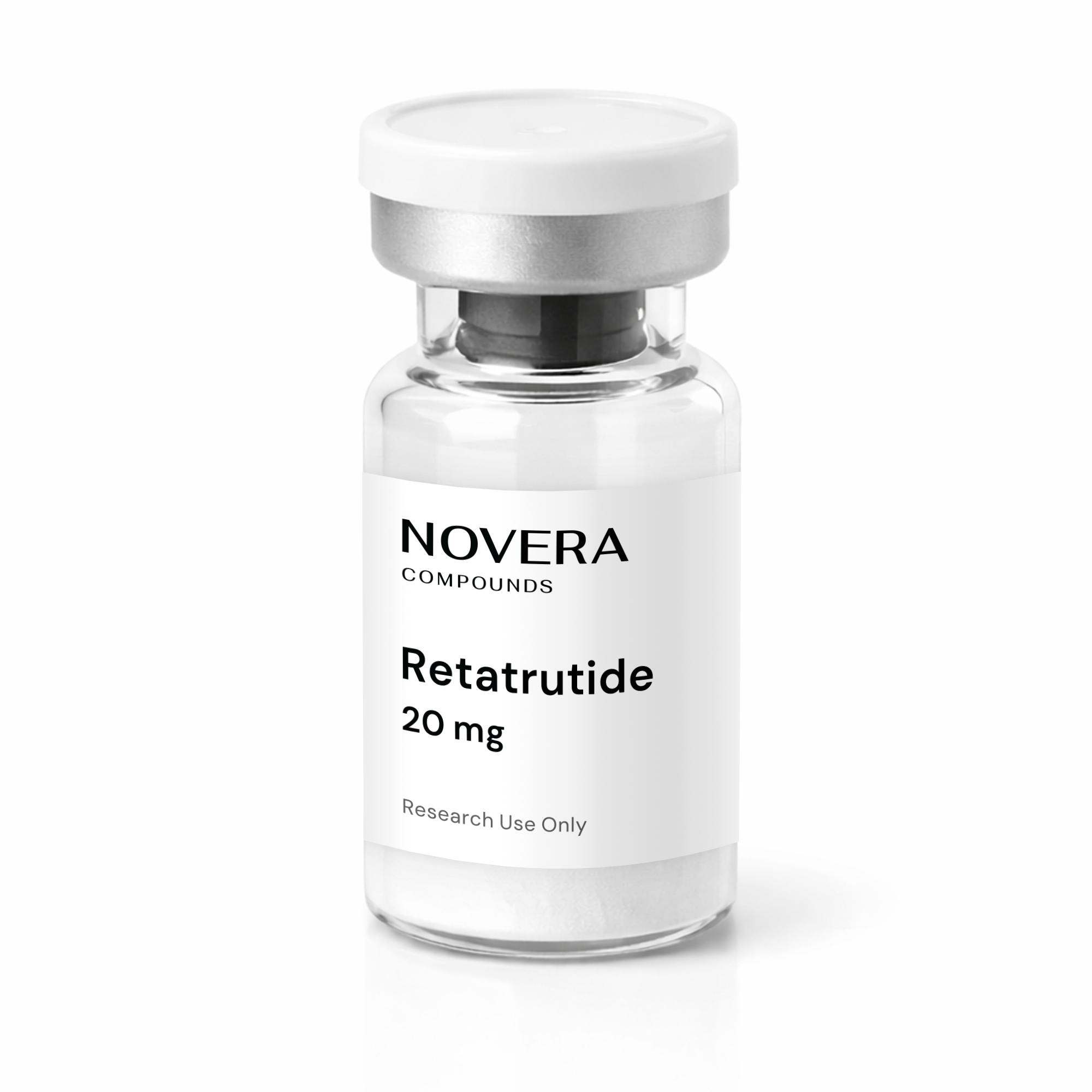
Lot traceability matters because batch-specific records help identify which material was tested, labeled, documented, and reviewed
Referral to an endocrinologist is typically warranted for suspicious ultrasound features, rapid nodule growth, compressive symptoms, or abnormal cervical lymph nodes
The biochemical environment is restored