Research Applications Cagrilintide has been employed in the following laboratory research contexts : Obesity and Metabolic Research: In vitro assays and rodent models examining amylin-receptor pharmacology , energy homeostasis , and adipose tissue signaling Glycemic Control Models: Studies of post-prandial glucose dynamics and glucagon secretion in pancreatic islet and hepatocyte systems Combination-Peptide Research: Exploratory studies assessing synergistic or comparative effects with incretin peptides, including GLP-1 receptor agonists Feeding-Behavior Studies: Assessment of meal patterns, appetite-related hormones, and hypothalamic gene expression in controlled feeding assays Pharmacokinetics and Formulation Development: Analytical validation of extended half-life , peptide stability , and delivery-vehicle performance Institutions that order cagrilintide peptide commonly use it for mechanistic and comparative research rather than therapeutic evaluation

That figure of 1% being passively absorbed is just a little too convenient for my liking
for instance, zinc supplementation alleviates BPA-induced reproductive toxicity in mice by inhibiting ferroptosis and apoptosis while restoring zinc homeostasis [225]
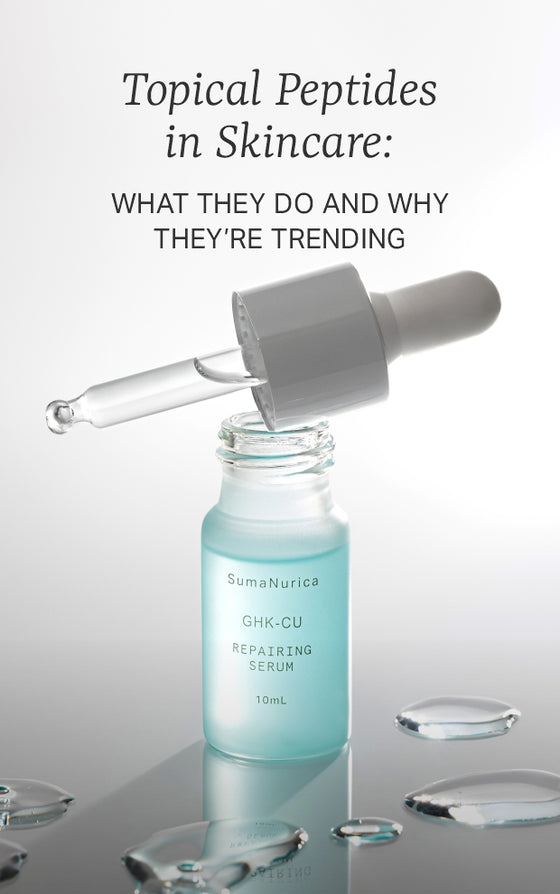
The decision to buy GHK-Cu peptide should also consider the suppliers track record and transparency
How Syringe Size Affects The Buying Decision Syringe listings often look similar, but small differences can change what the buyer receives