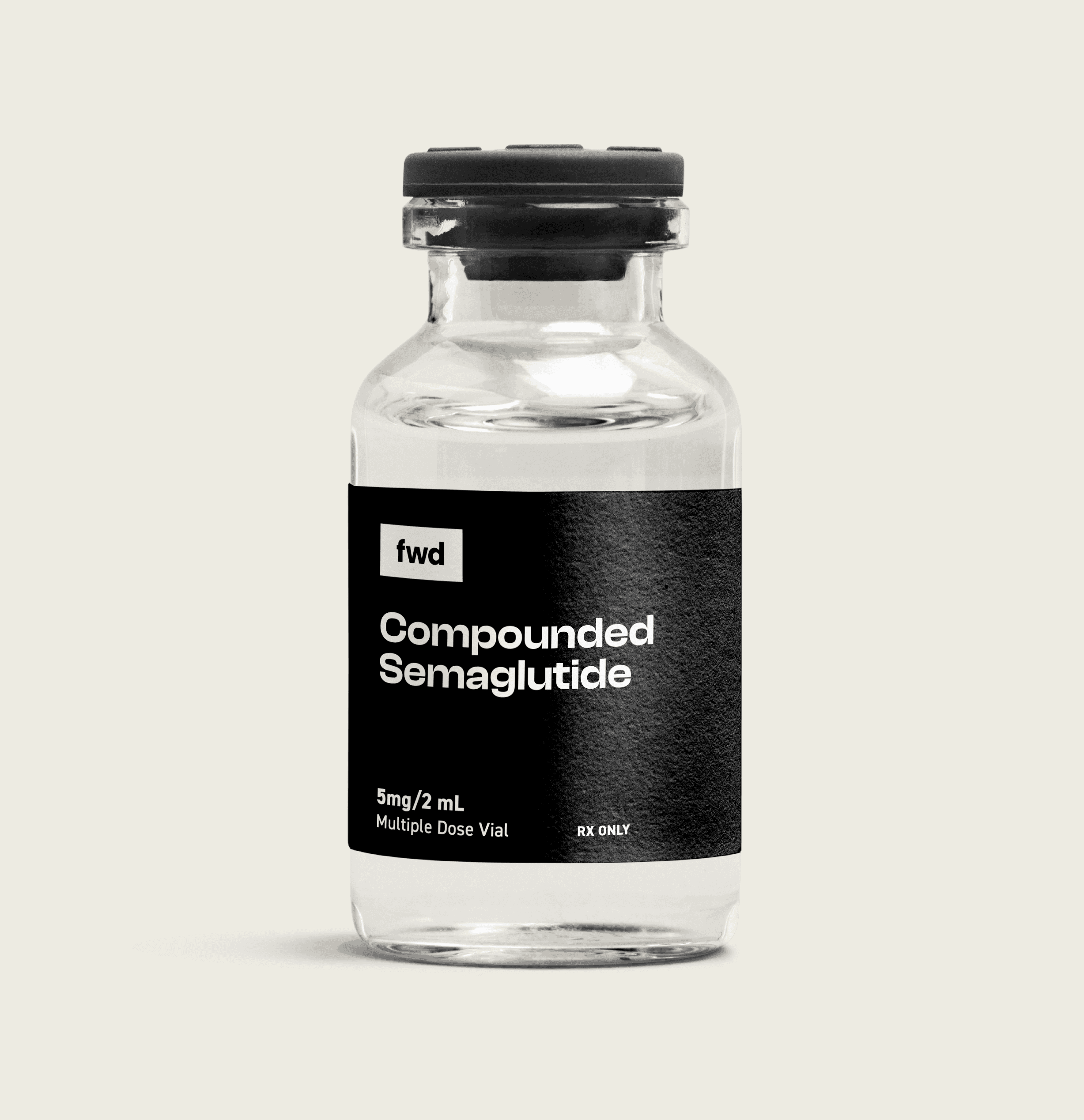
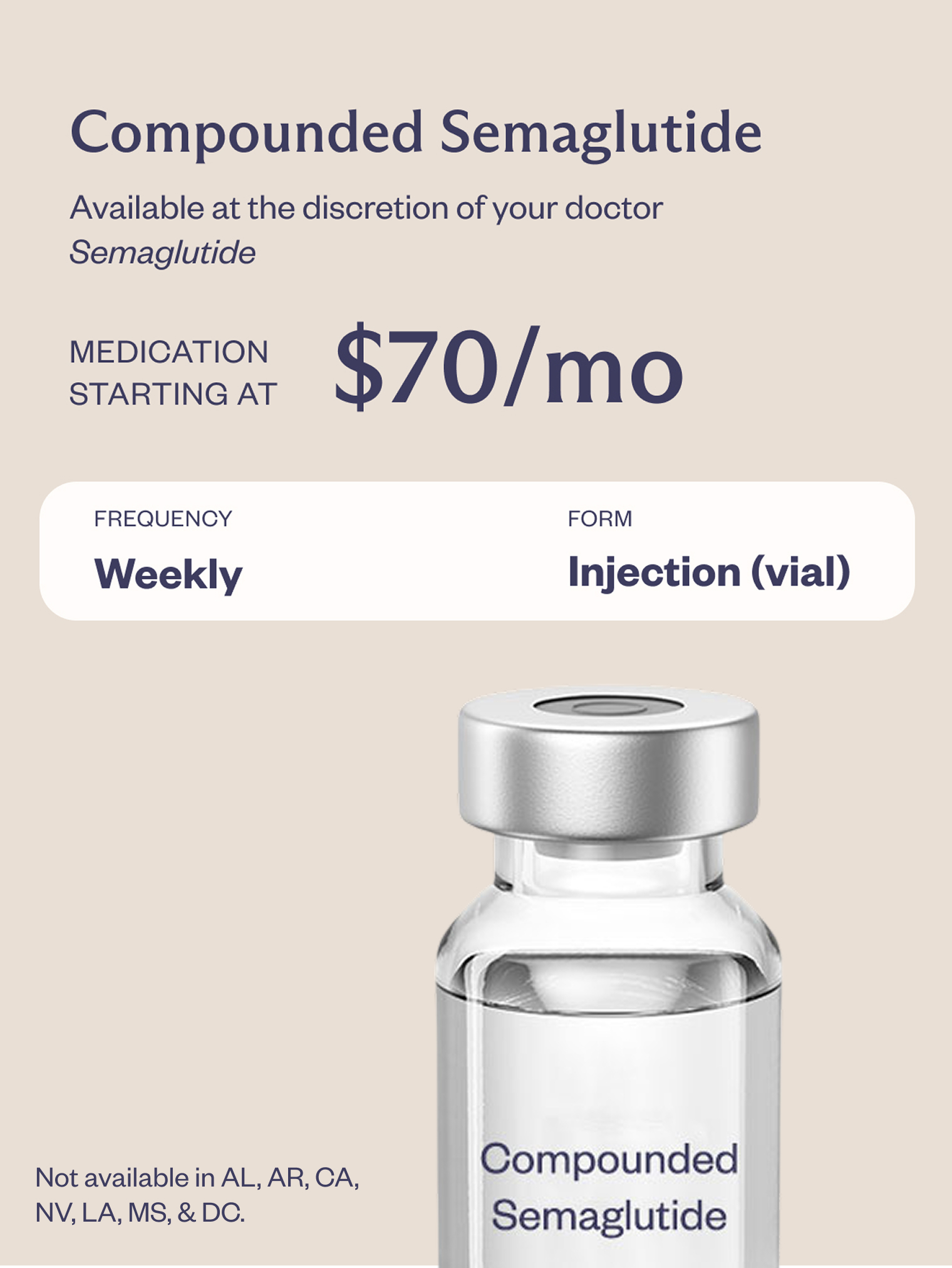
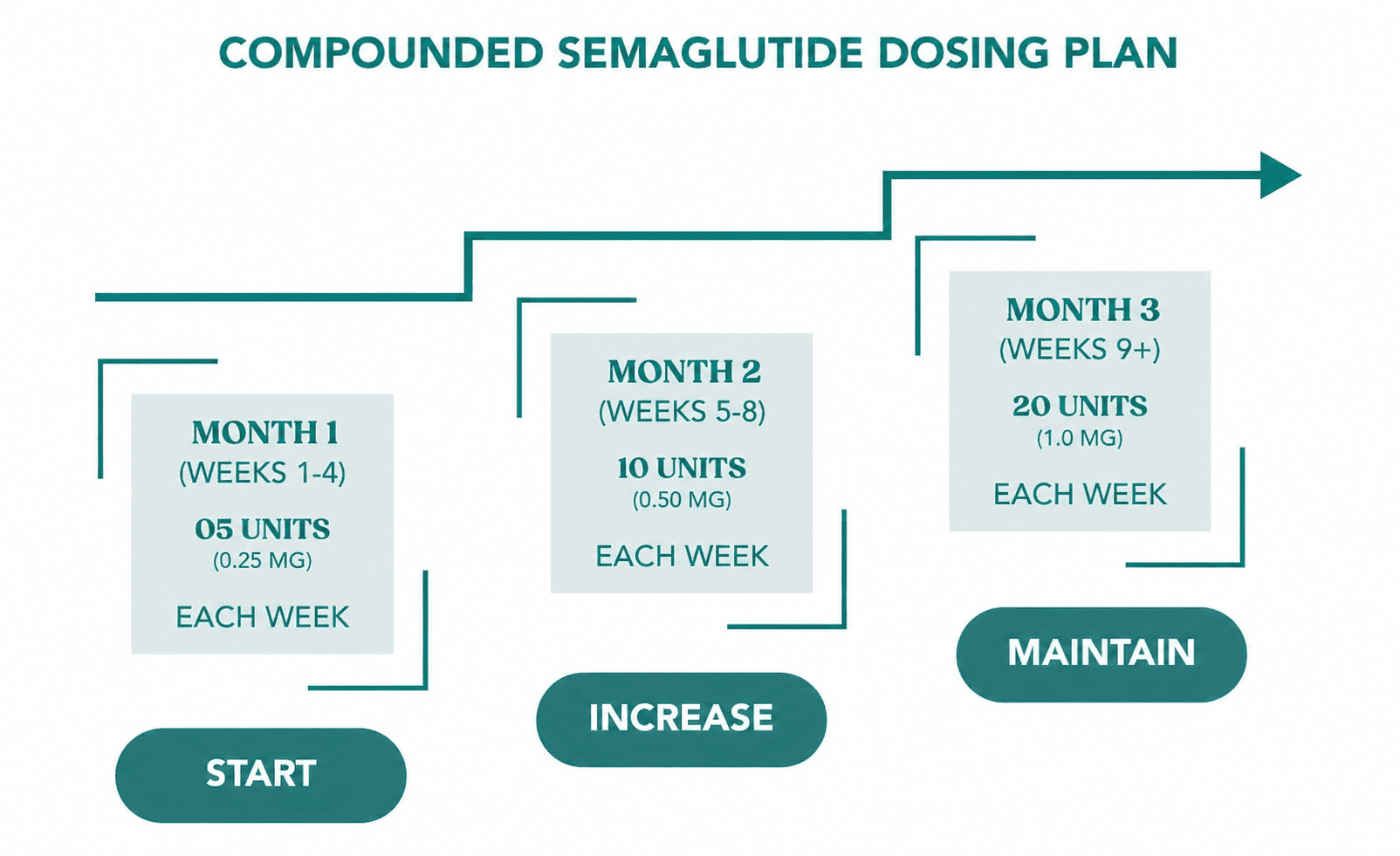
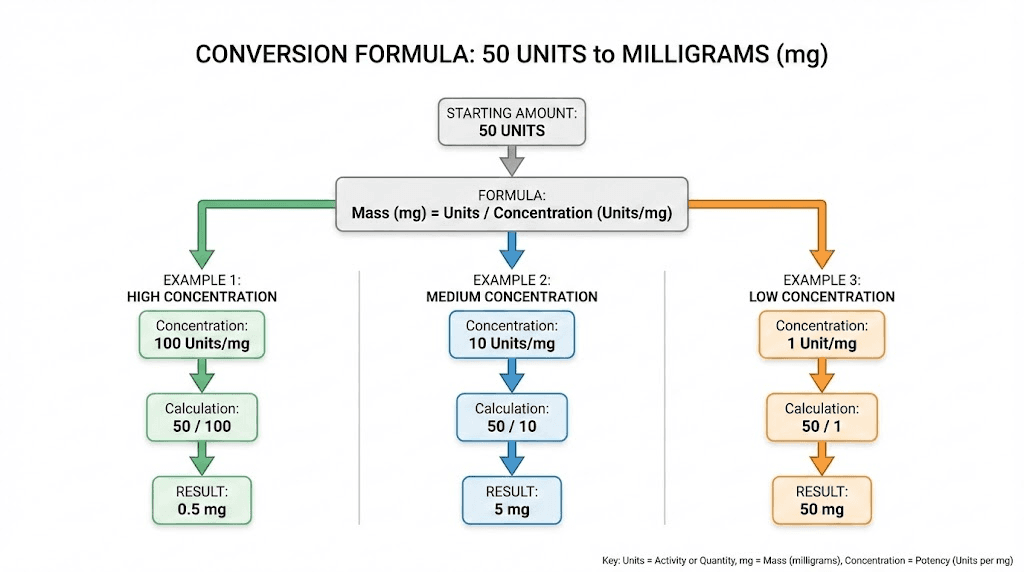
Compound and form Record the exact substance under discussion
Likewise, is the demonstration of the improved anastomoses healing, gastrointestinal (i.e., esophagogastric, esophagojejunal ileoileal, jejunoileal, colon anastomoses), but also nerve (sciatic nerve) and vascular (abdominal aorta)
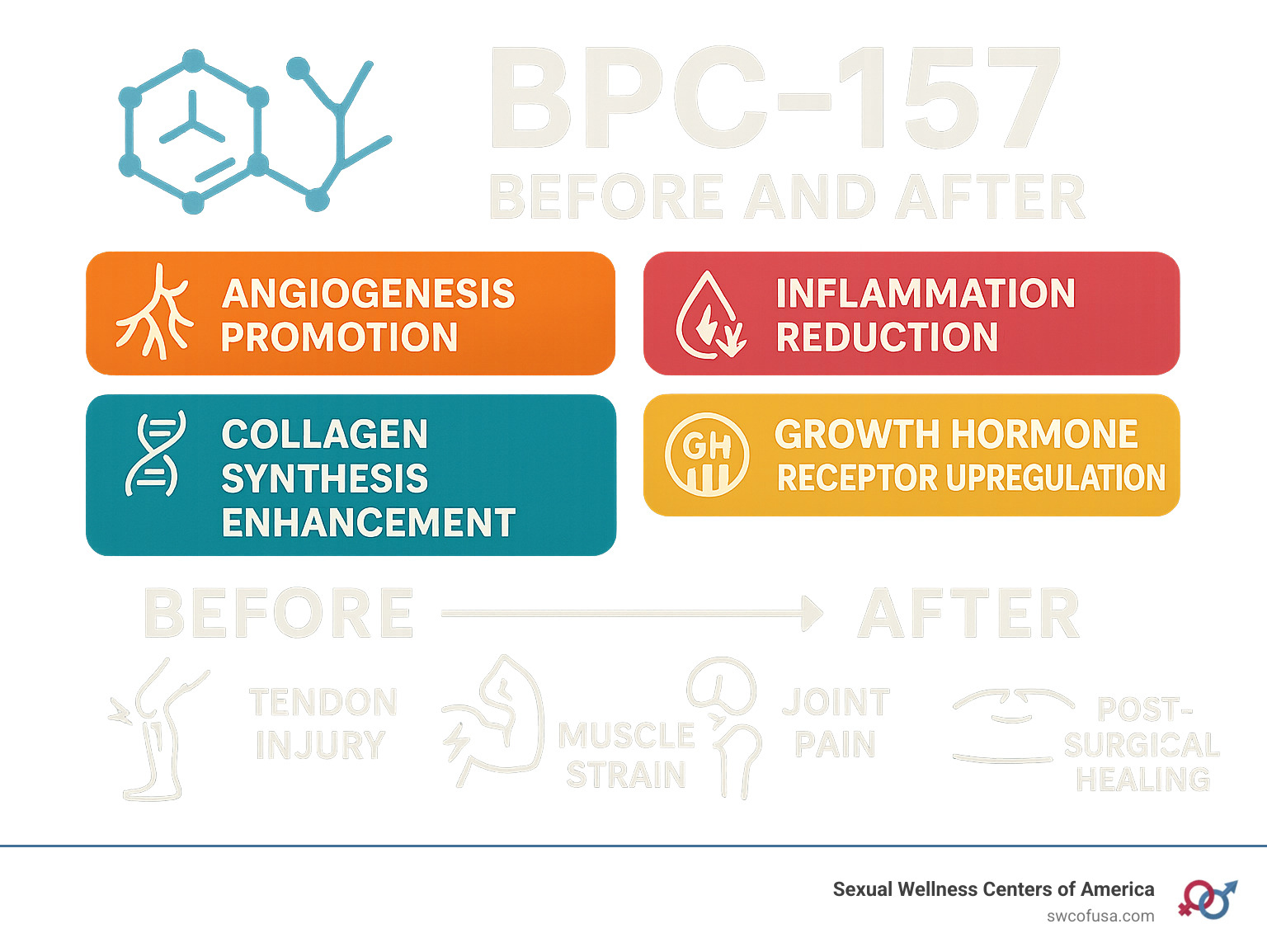
Several studies on BPC-157 report improved healing in various musculoskeletal injuries, including crushed muscles, detached tendons, and bone defects: Studies on BPC-157 have reported improved healing in animal models of crushed muscles, thanks to the peptides angiogenic action [29]
Ask your questions
Discovered in 2015 by Changhan David Lee and Pinchas Cohen at USC, MOTS-c is encoded in the 12S rRNA region of the mitochondrial genomemaking it one of a small but growing family of mitochondrial-derived peptides (MDPs) that challenge the longstanding view of mitochondria as passive energy factories.1 This discovery sheds new light on mitochondria and positions them as active regulators of metabolism. Changhan David Lee, Assistant Professor of Gerontology, USC Leonard Davis School12 The Exercise Connection Human studies show that circulating endogenous MOTS-c levels increase approximately 1.6-fold during exercise and remain elevated about 1.5-fold post-exercise before returning to baseline after roughly four hours.13 This temporal profile suggests MOTS-c functions as an exercise-induced mitokinea signaling molecule released by mitochondria in working muscles that communicates metabolic status to the rest of the body