Contact your GP or healthcare provider if you experience: Dark amber or brown urine persisting despite increased fluid intake, which may indicate severe dehydration or, rarely, liver dysfunction Urine colour changes accompanied by symptoms such as persistent vomiting, inability to tolerate oral fluids, severe diarrhoea, or abdominal pain Signs of dehydration : Dizziness, lightheadedness, dry mouth, passing urine less often than usual, dark or strong-smelling urine, or rapid heartbeat Red, pink, or cola-coloured urine : May indicate haematuria (blood in urine), requiring investigation for urinary tract pathology Cloudy or foul-smelling urine with dysuria : Suggests possible urinary tract infection Pale or clay-coloured stools with dark urine and jaundice : Rare but serious indicators of biliary obstruction or hepatic dysfunction For urgent advice : Contact NHS 111 if you cannot reach your GP and need help quickly
The modified GPx-DTNB method showed a linear range of 21000 U.L 1 of GPx activity, with a high degree of linearity (Pearson's r value of 0.999) and sensitivity (LOQ of 1 U.L 1 and LOD of 3 U.L 1 )
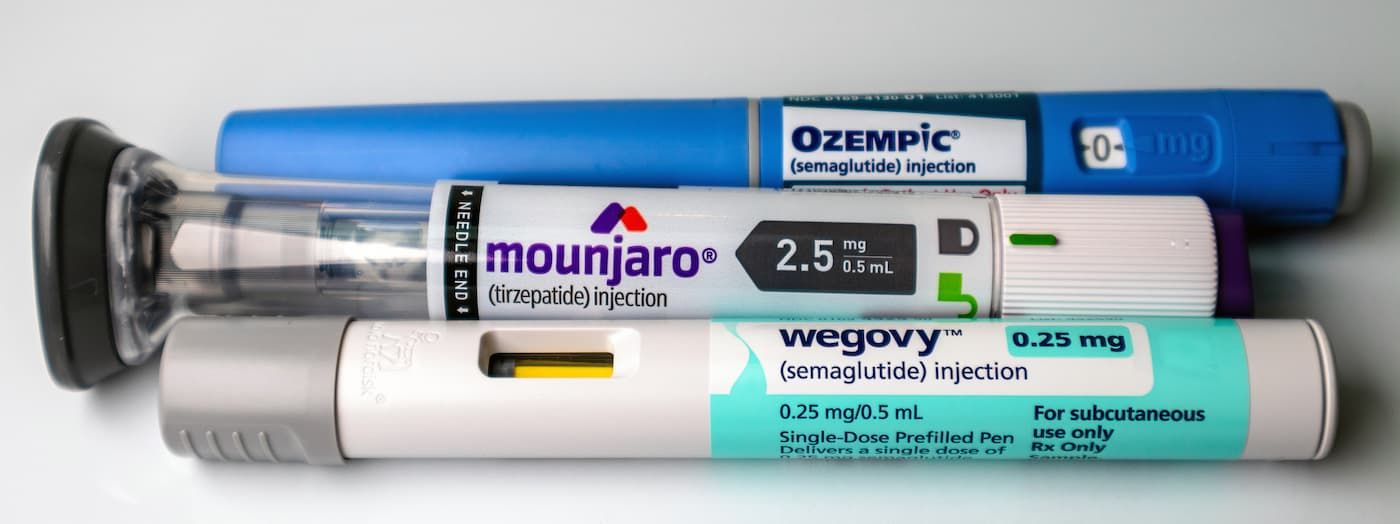
It acts on receptors in the brain, particularly in the hypothalamus, to reduce hunger and cravings
Basically, semaglutide helped patients improve their liver health more than no intervention did
If your medication freezes, it must be discardeddo not use it even if it subsequently thaws