At First Choice Immediate Care, our B12 shots are affordable and accessible
Dr Babar says the peptide therapies his clinic offers are overseen by a GMC-registered doctor but, because these products are not licensed and there is "no textbook" on how to use them, it comes down to experience and clinicians like himself learning "from each other"
Digestion of dietary cholesterol esters results via the action of carboxyl ester lipase (CEL)
Common side effects by peptide type Growth hormone peptides: Water retention (temporary) Lethargy initially (adapts within weeks) Carpal tunnel symptoms (rare, high doses) Insulin resistance (monitor with long-term use) IGF-1 LR3: Hypoglycemia (keep fast carbs on hand) Jaw/facial bone growth (with chronic use) Organ enlargement (long-term misuse) Healing peptides: Minimal side effects Occasionally: fatigue, headache (rare) Monitoring and bloodwork Baseline testing before starting: IGF-1 levels Thyroid panel (T3, T4, TSH) Fasting glucose and insulin Lipid panel Liver and kidney function Follow-up testing: Every 3-6 months during protocol Monitor IGF-1 (ensure not excessively elevated) Check glucose metabolism Liver/kidney function Contraindications Avoid peptides if: Active cancer (GH/IGF-1 can promote tumor growth) Diabetic without physician oversight Significant organ disease Use caution if: Family history of cancer Pre-diabetic Taking medications that affect blood sugar See our peptide safety and risks guide for comprehensive safety information
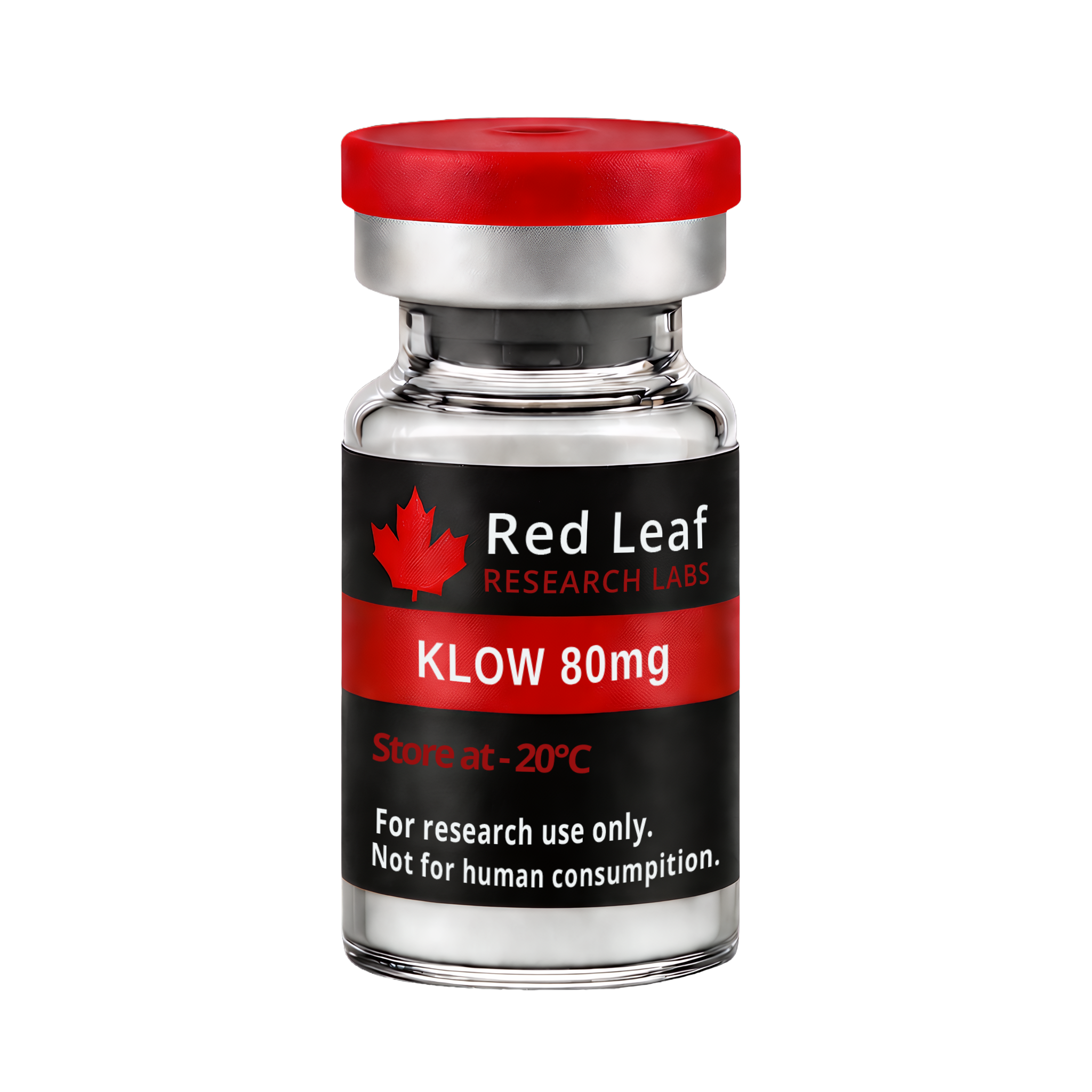
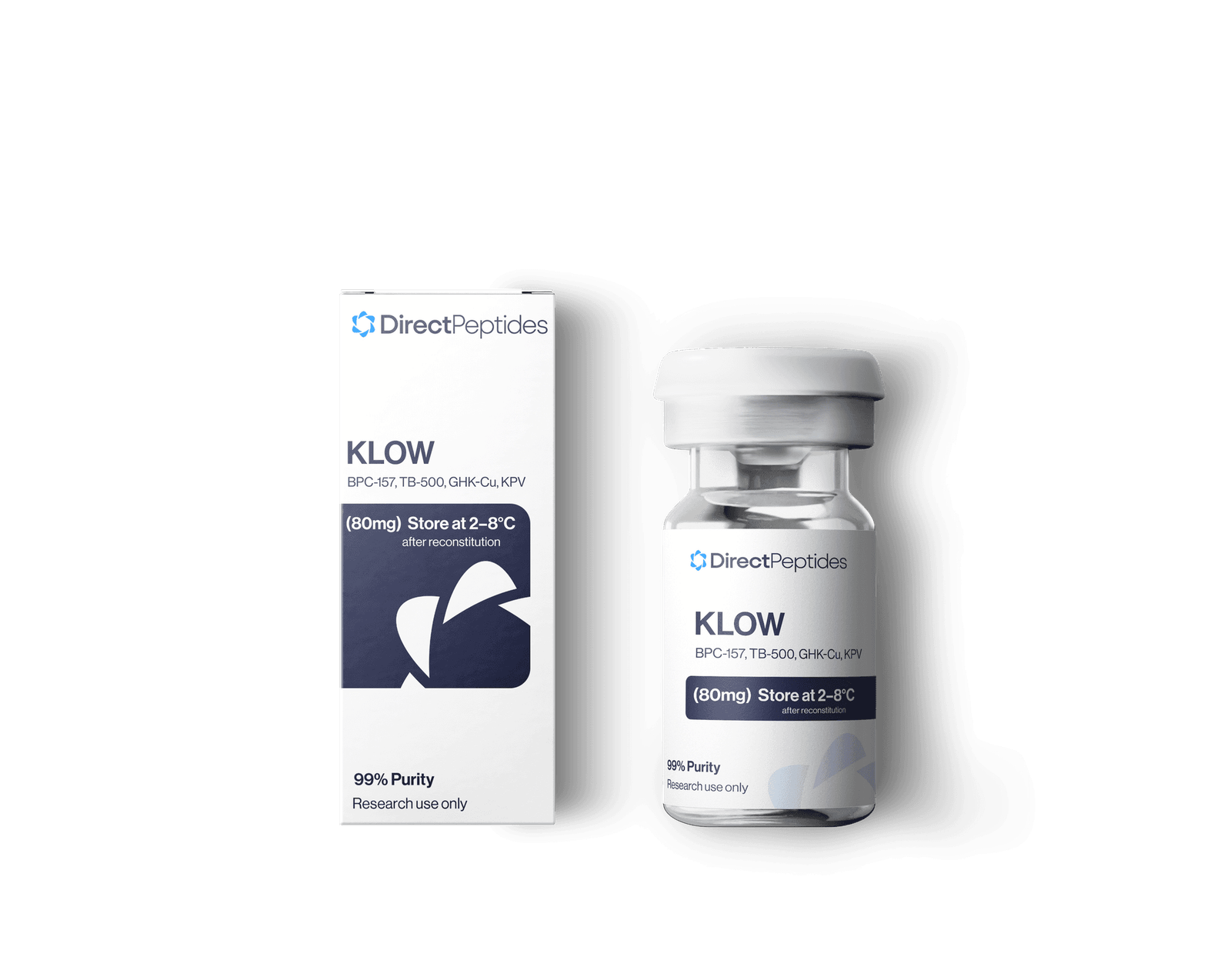
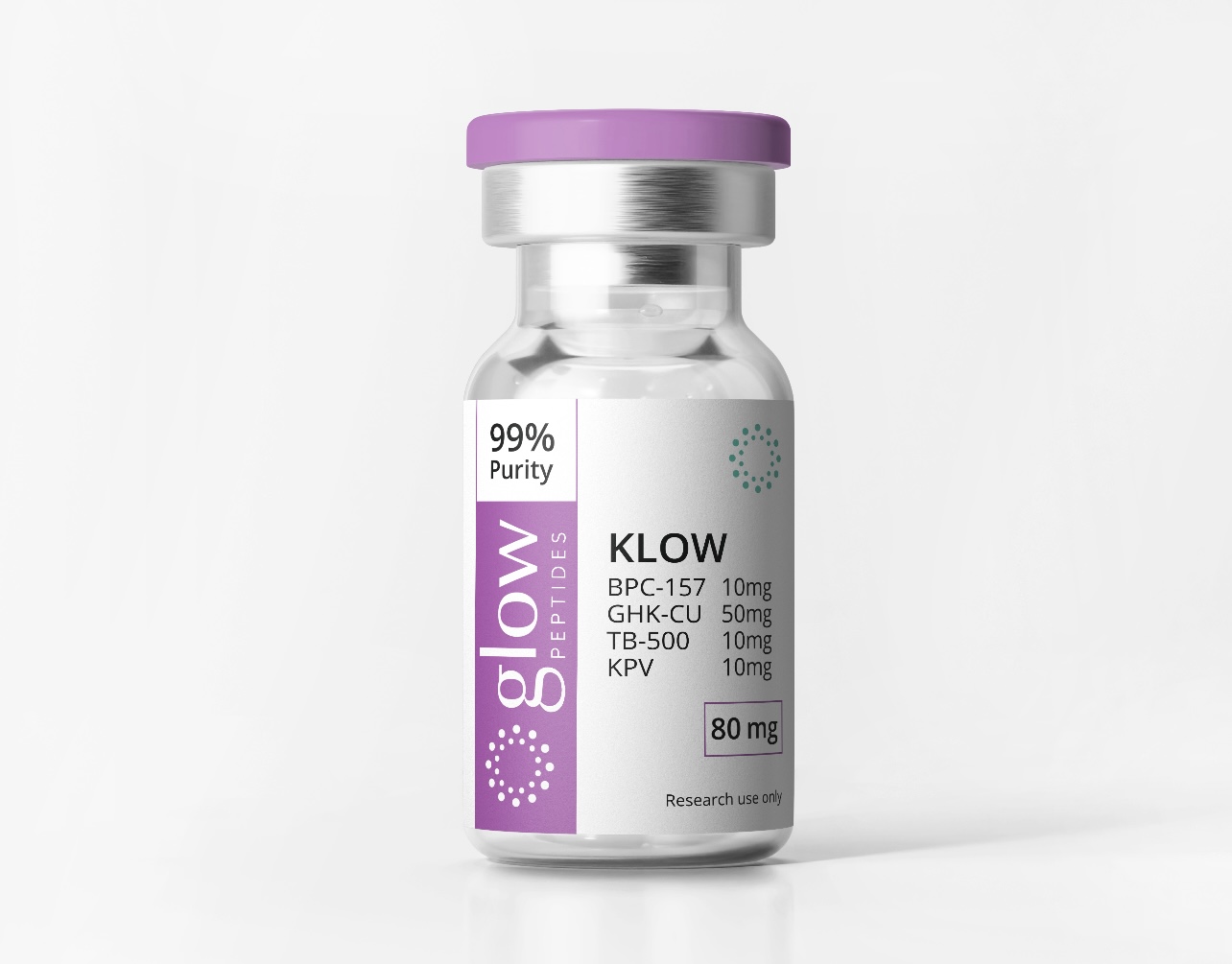
KLOW Blend vs GLOW Blend: How the Four-Peptide Formula Compares Durham Peptides May 2 8 min read Updated: Jul 25 KLOW Blend vs GLOW Blend comparison Durham Peptides Canada For Canadian researchers familiar with the GLOW Blend , the addition of the KLOW Blend to the Durham Peptides catalog raises an immediate question: how does the four-peptide KLOW formulation differ from the established three-peptide GLOW, and which is the right choice for any given research question