Understanding L-Carnitine's Role in the Body & How IV Therapy Enhances Its Effects L-Carnitine is vital for several bodily functions, primarily: Energy Production: It acts as a shuttle, transporting long-chain fatty acids across the mitochondrial membrane so they can be oxidized (burned) to produce energy (ATP)
Approximately 65% of an administered dose is excreted in urine, with an additional 23% recovered in feces
For example, in human neural progenitor cell cultures, treatment with a mixture of acetate, propionate, and butyrate increased the expression of genes related to neurogenesis and proliferation while reducing the activity of apoptotic pathways [192]
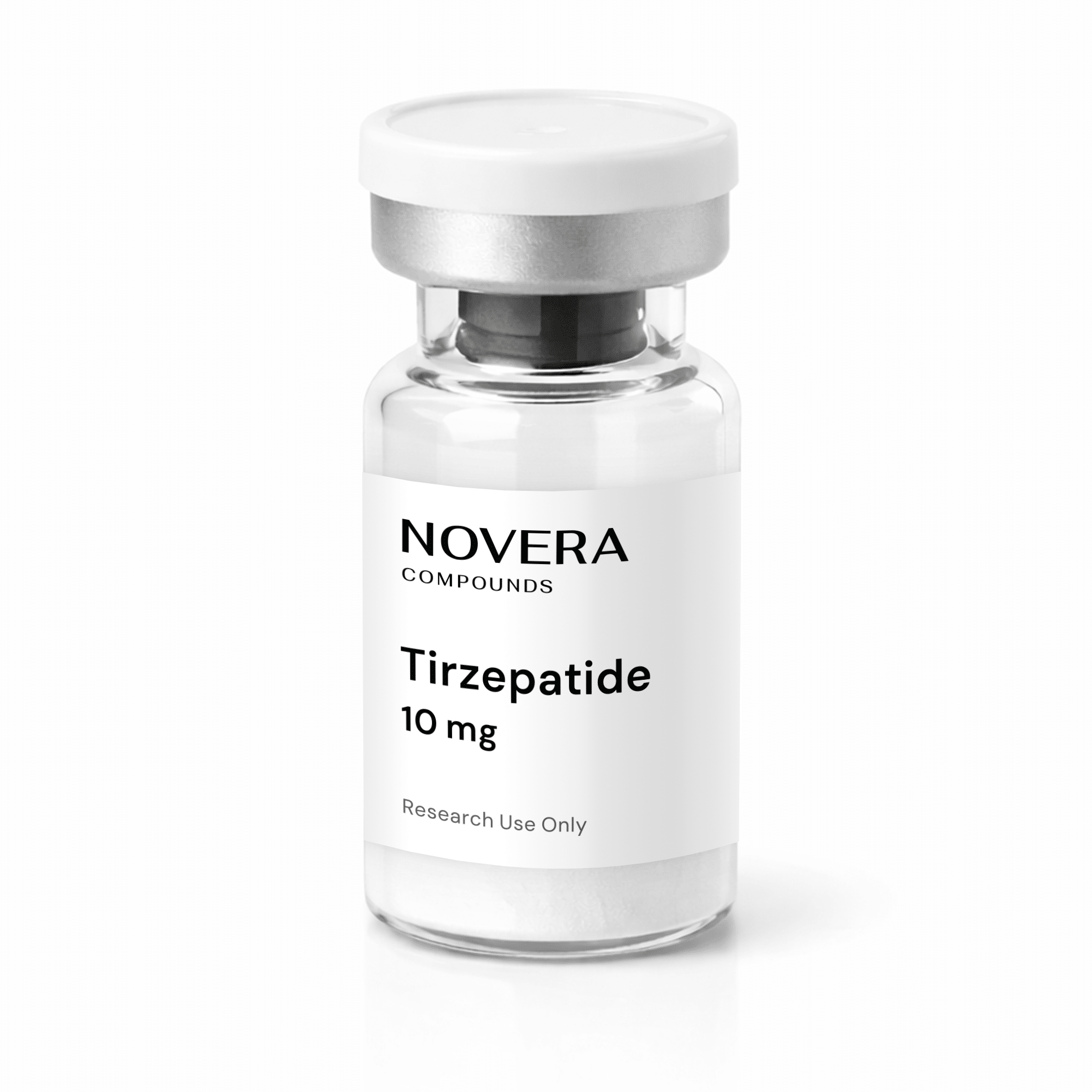
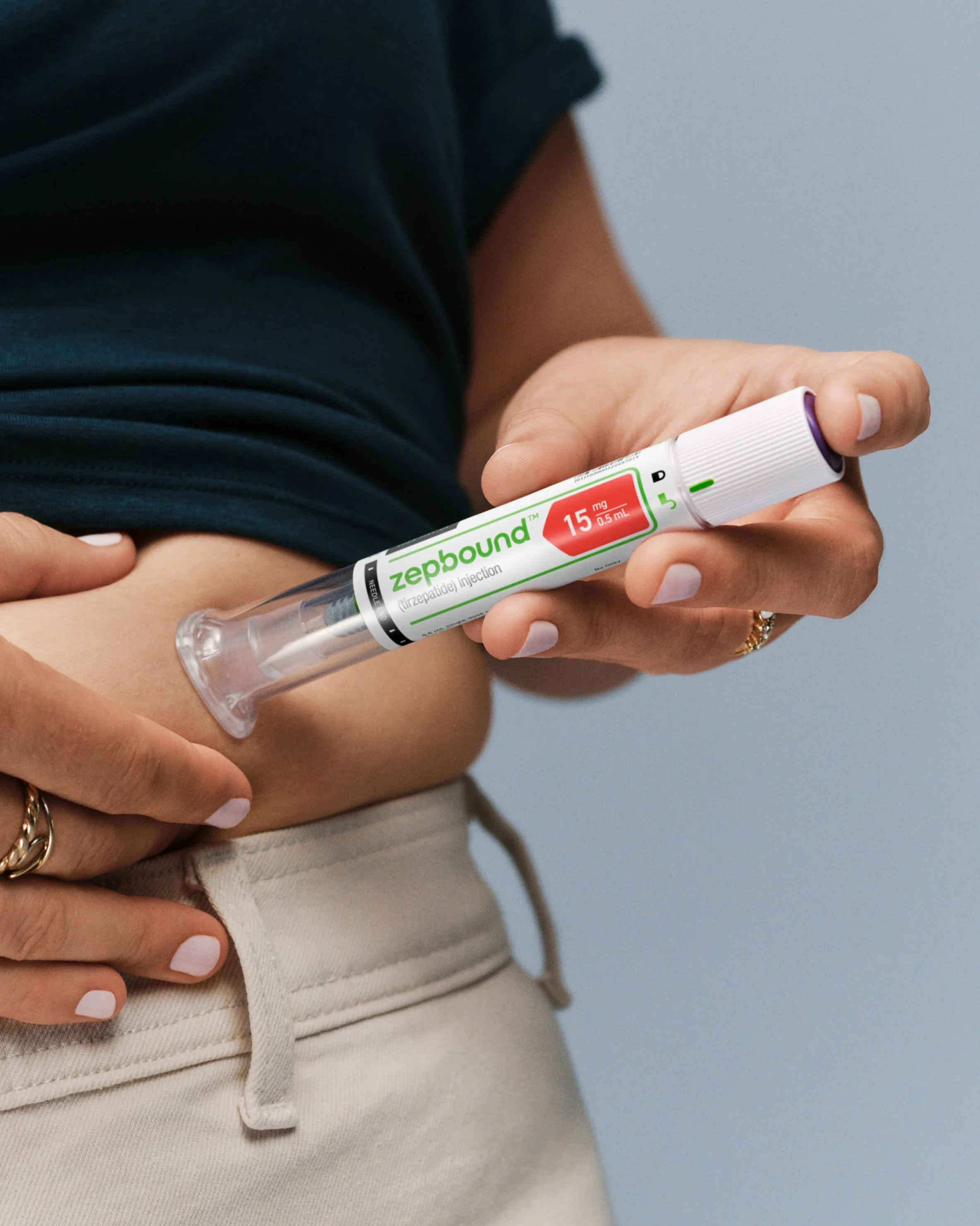
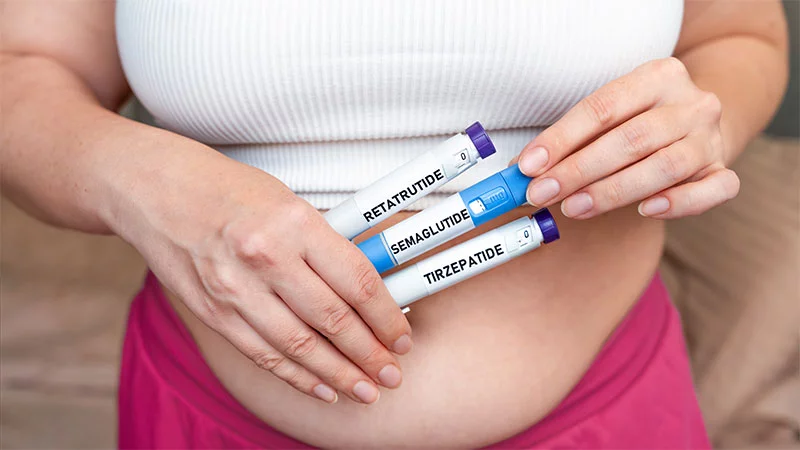
Last but not least, early animal studies suggest that tirzepatide may work well as a multifaceted treatment approach for obesity, type 2 diabetes, and estrogen deficiency
Another difference between the two is the dosage, she notes