Evidence Supporting Exercise and Protein Intake There are currently no clinical trials specifically examining protein intake during GLP-1 treatment, but higher protein intake combined with resistance training is beneficial: A 2025 case series published in SAGE Open Medicine described three patients using semaglutide or tirzepatide who engaged in resistance training 3 to 5 days weekly and consumed protein at 0.36 to 0.77 g/lb of total body weight (0.73 to 1.04 g/lb of fat-free mass)
Some patch ingredients, such as green tea extract or berberine, may support metabolism or appetite control when taken orally in the right dose
Selenium Selenium is an essential cofactor for key enzymes in cellular metabolism, including antioxidant enzymes thioredoxin reductase (TrxR), glutathione peroxidase (GPx), iodothyronine deiodinases (DIOs), and selenoprotein P, all crucial for a correct thyroid function [63, 64]
However, accumulating data over the last few years update this view
Immune system support Adequate glutathione levels are linked to stronger immune function and greater resilience during periods of stress or illness
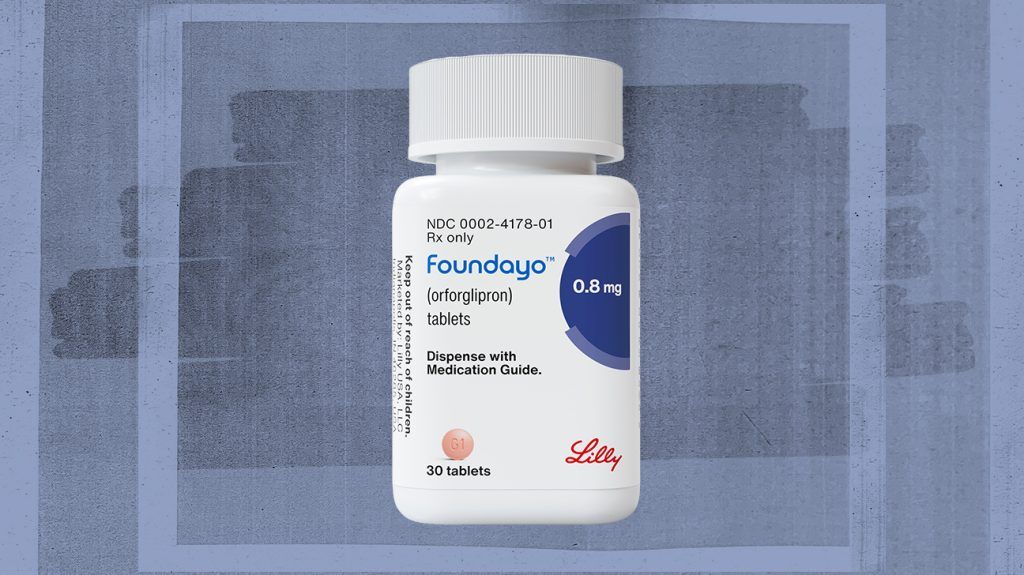




:max_bytes(150000):strip_icc()/Wegovy-pill-pic-590ed53ed3304ba8b2388f9d78886dae.png)