As it is a synthetic medication, it also comes with a list of side effects including, but not limited to: Nausea & Vomiting Diarrhoea and/or constipation Low blood sugar Headaches & Dizziness Infections Loss of appetite Loss of muscle mass (not all weight loss is good) Mild tachycardia (increased heart rate) Allergic reactions Pancreatitis Acute kidney injury Worsening of diabetes-related retinopathy Rebound weight gain (when stopping the medication and not making diet and lifestyle changes to sustain weight loss) Although this doesnt sound pleasant, the supplement GLP-1 option is not recognised as an appropriate application to replace prescribed medicine
Accessed November 8, 2023.
Key questions to discuss include: Whether you meet NHS criteria for GLP-1 prescription (type 2 diabetes or obesity with complications) The evidenceor lack thereoffor GLP-1 use specifically in Hashimoto's management Potential interactions between GLP-1 medications and thyroid hormone replacement How GLP-1 therapy might affect your thyroid function monitoring schedule Alternative evidence-based approaches to managing metabolic symptoms in Hashimoto's The costs and practicalities of private prescription if NHS funding is not available Contraception requirements if you are of childbearing potential (GLP-1 medications should be avoided in pregnancy and breastfeeding) Your GP may recommend optimising your current thyroid management first , ensuring your levothyroxine dose is appropriate and that you are not over- or under-replaced
And this can lead to sudden loss of vision
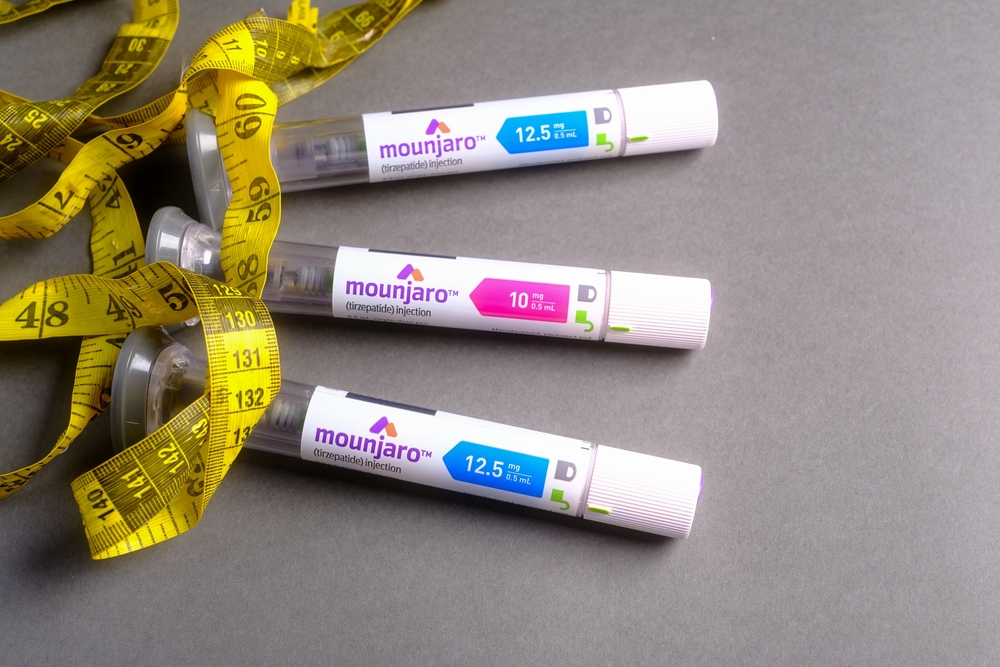
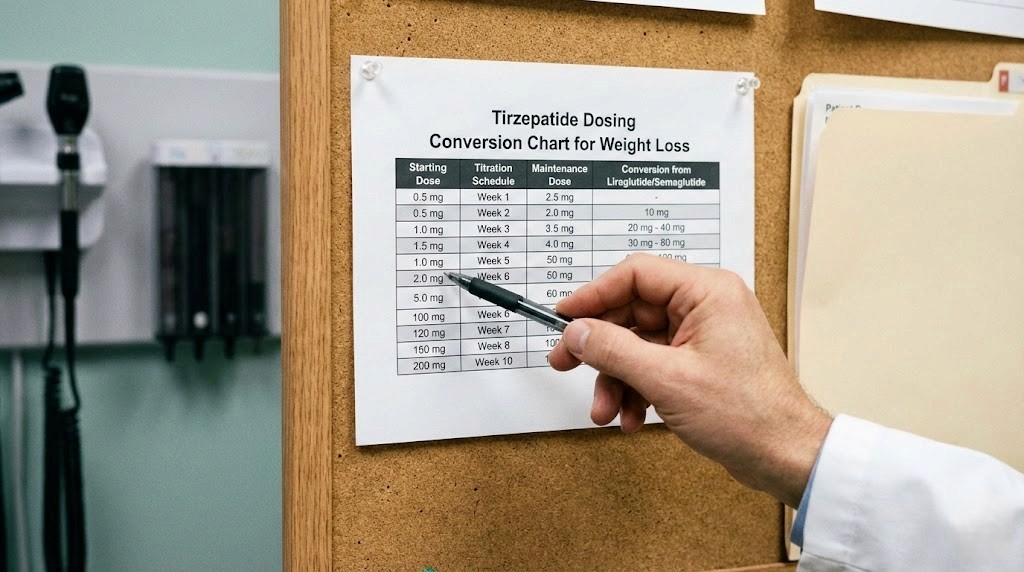
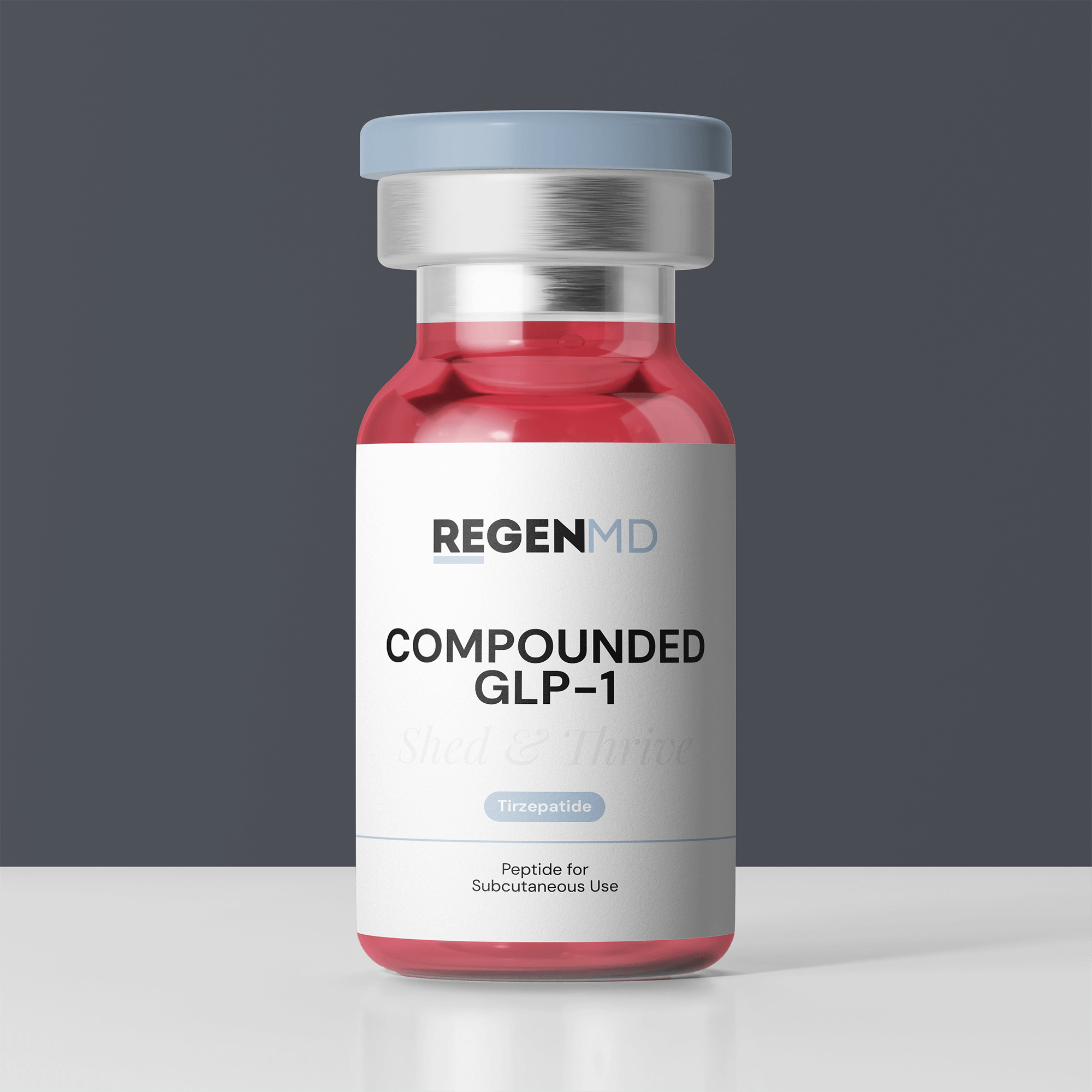
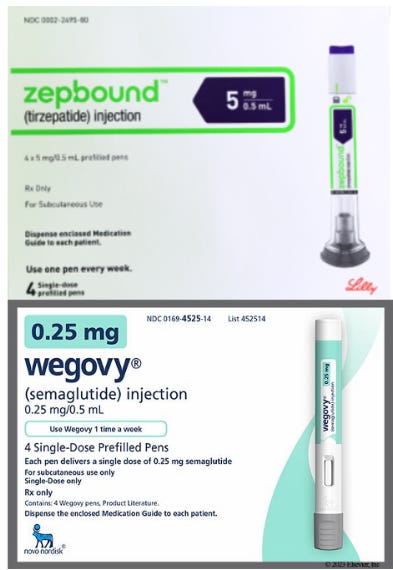
In contrast to older medications, tirzepatide activates both GLP-1 and GIP receptors, offering a more comprehensive approach to reducing appetite, slowing digestion, and improving insulin sensitivity







.png)
.png)