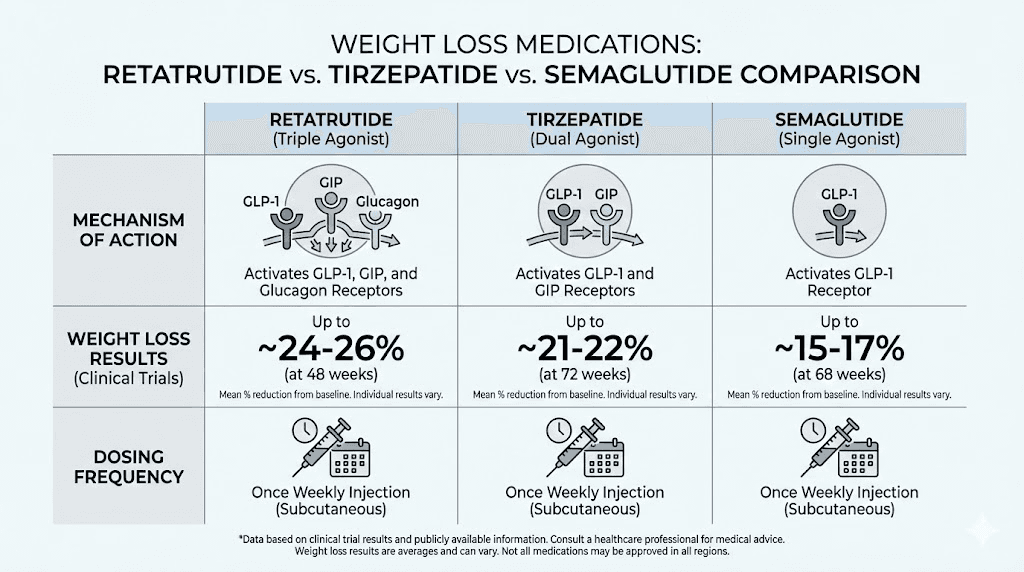
Purpose This review evaluates the clinical efficacy, mechanisms of action, and limitations of GLP-1RAs, such as liraglutide, exenatide, and semaglutide, in the management of psoriasis
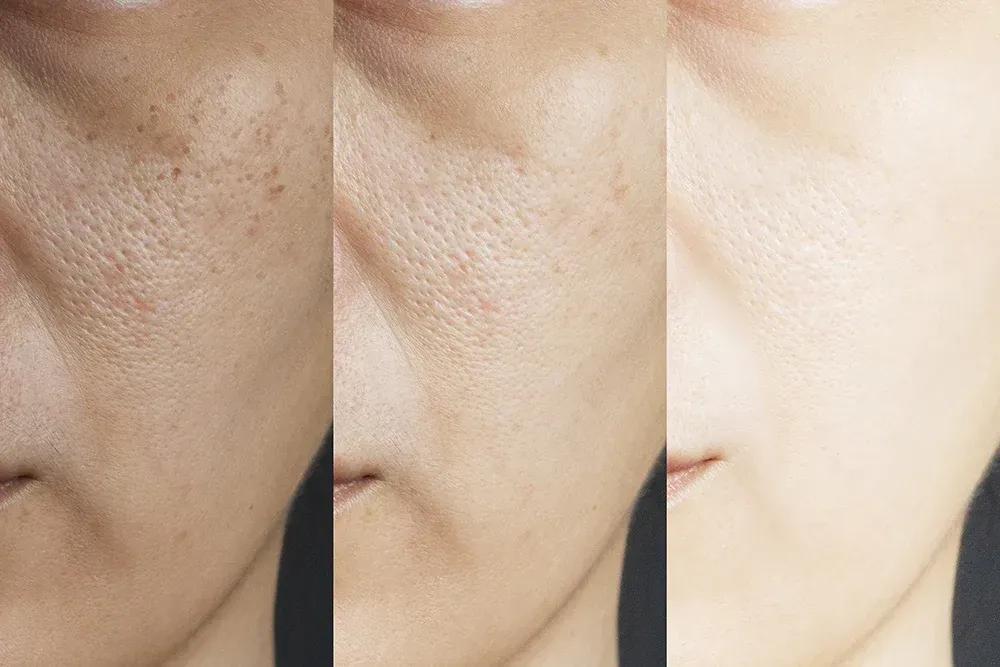
Step 1 Define your whitening meaning and claim boundaries Position as even tone + glow + dark spot appearance support , not change skin color Decide hero problem: dullness, uneven tone look, spots look, post-blemish marks look Set your compliance rules by market/channel (Amazon vs clinic vs retail) Step 2 Choose the brightening pathways (dont rely on glutathione alone) Antioxidant support: glutathione as part of a modern glow stack Pigment appearance support: TXA / arbutin / licorice derivatives Barrier + tone synergy: niacinamide (managed for tolerance) Step 3 Balance performance with tolerance and daily layering Add comfort stack (panthenol, allantoin/bisabolol, centella/aloe, ceramides) Avoid too many actives in one cream if your audience is sensitiveconsider a 2-SKU system (daily cream + spot product) Validate under sunscreen/makeup (pilling, shine, residue) Step 4 Validate stability, experience, and realistic results timeline Active compatibility and odor/color control (especially antioxidant systems) Consumer-feel testing: sting, tightness, and greasy film are top review killers Add routine education: AM SPF, PM consistency, and weeksnot days expectations Which textures work best for glutathione skin whitening cream

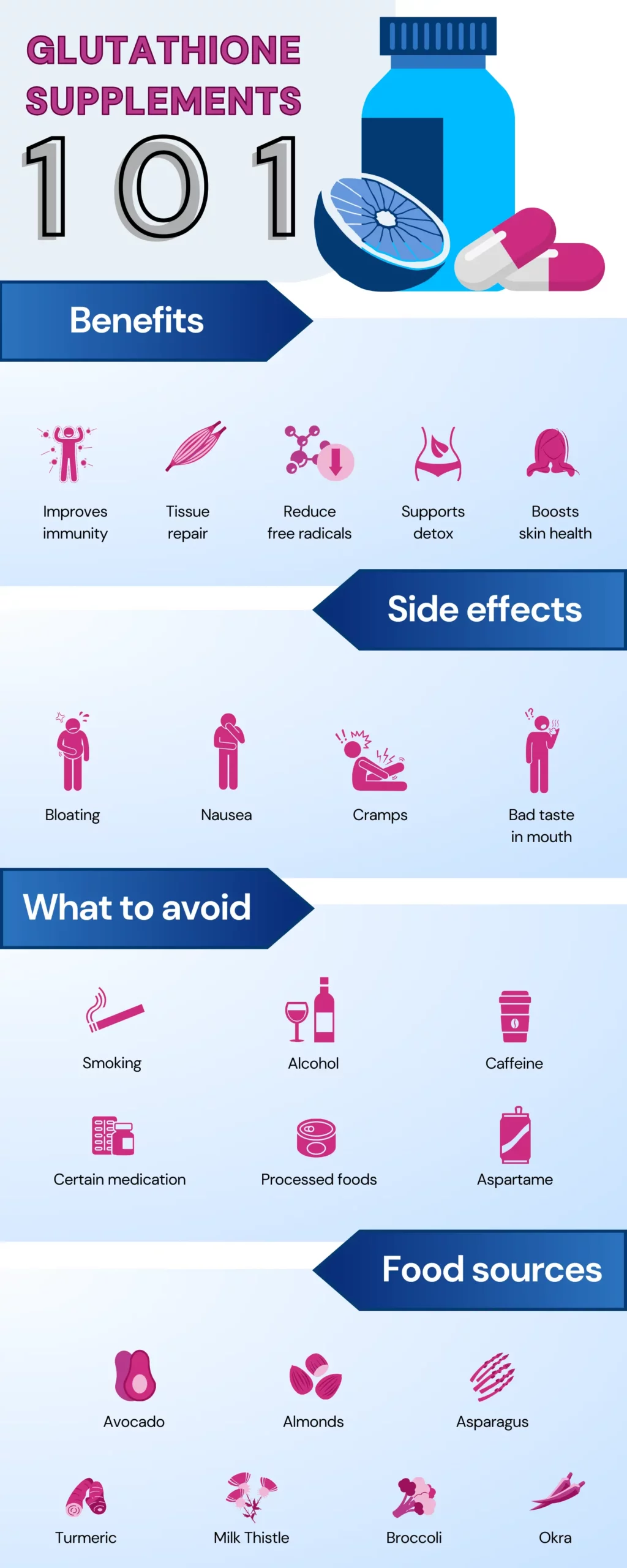
Vitamins C & E - These essential vitamins protect glutathione from oxidative damage and assist in recycling it to maintain higher active levels
For people taking GLP-1s, declines in grocery purchases come mostly in the first six months, and by the second year on these medicines, food purchase fluctuations level off
BPC-157s ability to repair the gut lining and reduce inflammation sets it apart from traditional treatments